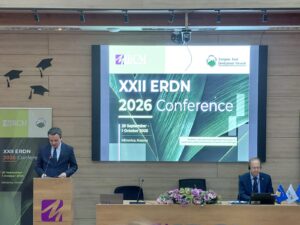
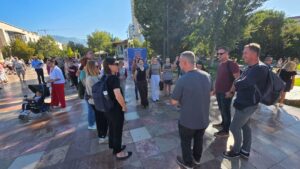
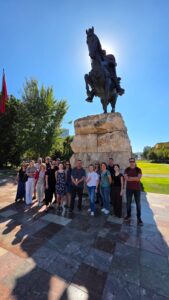
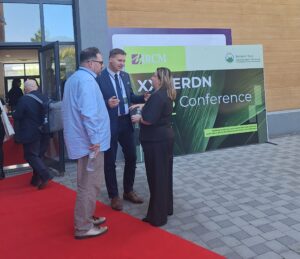
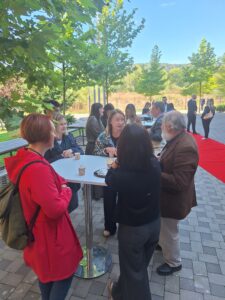
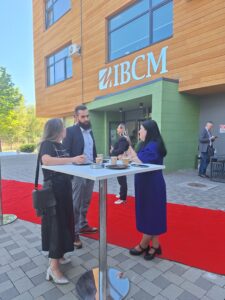
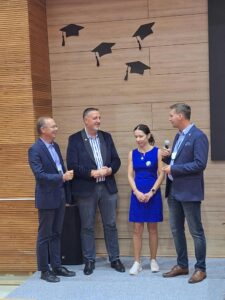
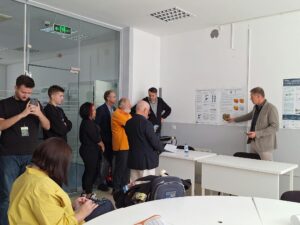
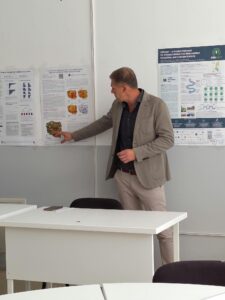
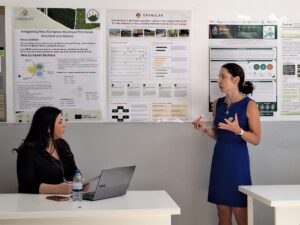
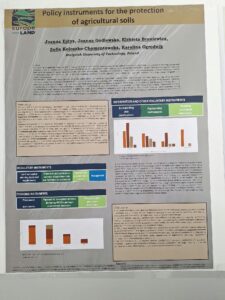
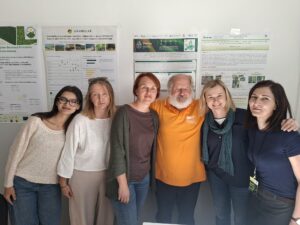
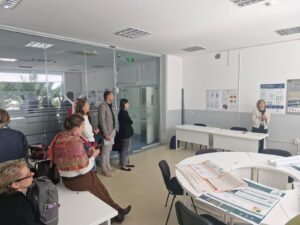
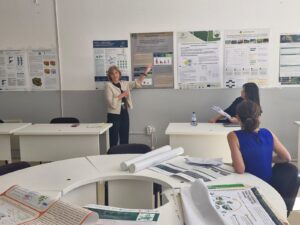
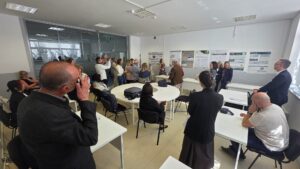
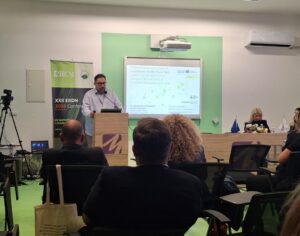
From 29 September to 1 October 2026, researchers, policy-makers and practitioners met in Mitrovica, Kosovo, for the XXII European Rural Development Network Conference, “Resilient Rural Areas and Sustainable Food Systems: Governance, Policy Frameworks and Structural Challenges”. The conference was co-organised with the Public International Business College Mitrovica (IBCM).
A conference in a city of bridges
Mitrovica is known for its bridge over the Ibar river, which connects the southern and northern parts of the city. For years it has been seen as a symbol of division. Our host, IBCM, works every day to build bridges instead. Albanian and Serbian students study side by side on one campus, in English, and learn to work together as colleagues and friends. This is reconciliation in everyday practice, and seeing it up close was one of the most moving parts of the conference for all of us. IBCM is an active member of the ERDN network, and we are truly proud of what it does.
The programme in numbers
The programme included 78 scientific contributions: 49 oral presentations and 29 posters. They were presented in one workshop, four parallel sessions and two poster sessions. Three plenary presentations opened the conference. Around 180 authors and co-authors were involved, many of them in more than one contribution.
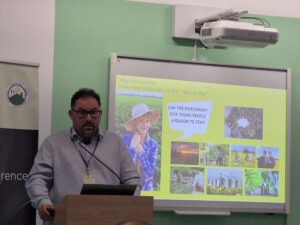
The topics were wide-ranging. Many papers dealt with rural governance and public policy: the CAP and its strategic plans, national and regional partnerships, and the institutions that shape rural development. Others looked at rural resilience through local economies, rural enterprises, public services, transport, territorial exclusion, migration and climate change. Food systems and agriculture were another major theme, covering sustainable farming, livestock production, food security, agricultural water use and environmental costs.
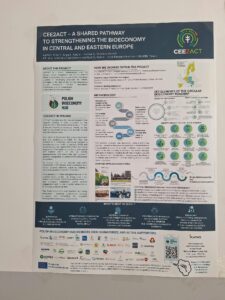
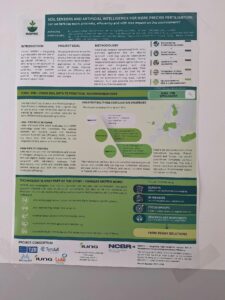
The bioeconomy was particularly well represented in both oral and poster sessions. Papers covered bio-based platforms, carbon farming, regional bioeconomy strategies and roadmaps, and different uses of biomass. Soil and natural resources also featured strongly, with papers on soil protection and soil health, heavy metal contamination, soil microorganisms, water management and irrigation. Digitalisation was present too: digital platforms, Smart Villages, Living Labs, innovation ecosystems, artificial intelligence, sensors and digital food passports. So were education, young people, women in local leadership, access to services and human resource development.
Day 1: Learning from the EU integration experience
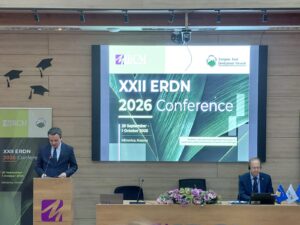
We had the honour of hearing three opening speeches:
- Albin Kurti, Prime Minister of the Republic of Kosovo
- Armend Muja, Minister of Agriculture, Forestry and Rural Development
- Prof. Dr. Mihone Kerolli-Mustafa, Rector of IBCM
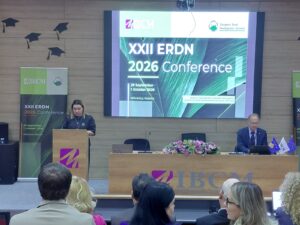
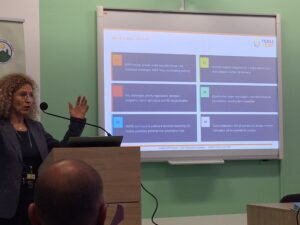
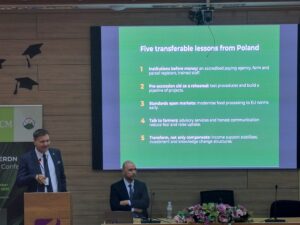
The ERDN team then presented “An EU Member State in the Process of Systemic Adjustment: Poland’s Rural and Agricultural Policy Experience and the Road Ahead”. The team was Paweł Chmieliński, Barbara Wieliczko and Zbigniew Floriańczyk. They looked back at how Poland adapted its rural and agricultural policy to EU membership. They also discussed what this experience might mean for countries now on the path to the EU.
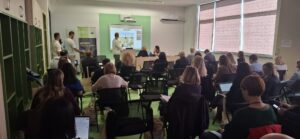
Prof. Dr. Ekrem Gjokaj (IBCM) opened the panel sessions with a talk on Kosovo’s efforts towards EU membership. His talk set the context for the rest of the day. Speakers from countries and organisations involved in various EU-funded projects shared their experience. The stories from Poland, Romania and Lithuania were especially interesting, as they showed how each country prepared its agricultural sector for EU accession. This led to a lively discussion about which approaches could work best for Kosovo.
Pitch Perfect Championships
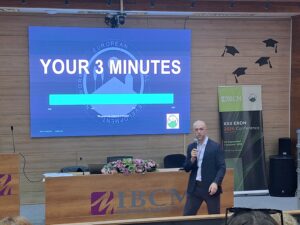
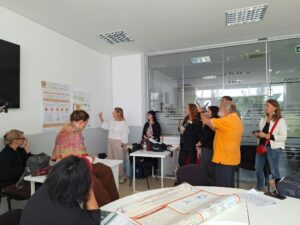
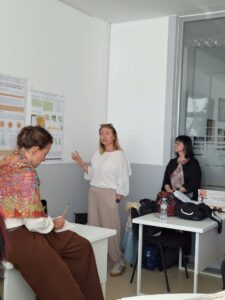
In the afternoon, Weronika Felcis and Johny Hanson led the workshop “Pitch Perfect Championships: Presenting with Rigour, Lightness and Confidence”. Scientific data and specialist language do not always reach people outside the research and agricultural sectors. The workshop gave participants a chance to experiment with telling their story differently. Participants worked in teams, and each team chose one person to give a three-minute pitch about their professional work.
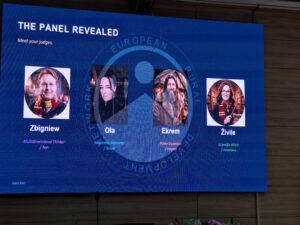
The pitches were judged by a jury cast in Hogwarts roles:
- Zbigniew Floriańczyk as Ron – Multidimensional Thinker
- Aleksandra Rasz as Snape – Suspicious Supporter
- Ekrem Gjokaj as Hagrid – Polite Guardian
- Živilė Gedminaitė-Raudonė as Hermione – Scientific Witch
The jury had a hard job choosing. In the end, the jury’s prize went to Monika Belhaj and Alice Galbiati, and the Audience Award to Vladimír Székely. Every pitch earned a big round of applause. Everyone left with plenty of ideas on how to talk about research so that people actually want to listen.
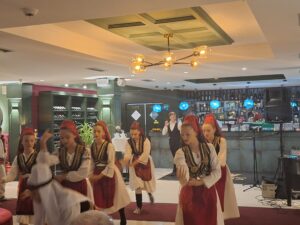
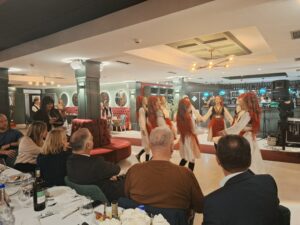
The day ended with a formal dinner at Princesha Gresa Restaurant in Bërnicë, hosted by IBCM. A concert of Albanian songs and a performance of traditional dances made it a perfect evening to relax and get to know each other better.
Day 2: Accessibility, agriculture and a field visit
The morning started with two parallel sessions. The first dealt with universal service design, accessibility, territorial exclusion and the role of women in rural communities. In short, it asked how to make sure rural development reaches people and places that face structural barriers. ERDN also presented its Digital Platform for Rural Bioeconomy during the first panel session of the day.
The second session focused on agriculture and production. Topics included financing livestock farms on the road to EU integration, irrigation governance and heavy metal contamination of agricultural soils.
Next came the first poster session, where participants could talk to the authors directly, ask questions and exchange contacts.
Visit to ARTI FRUIT, Prizren
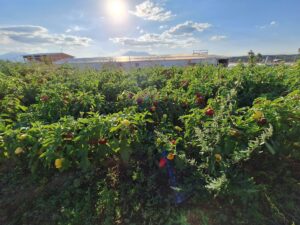
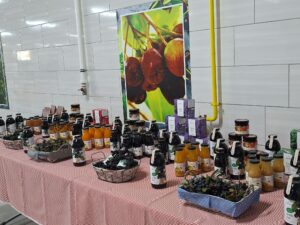
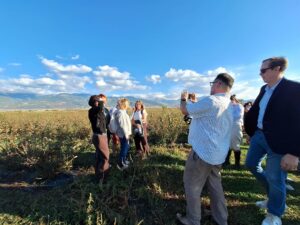
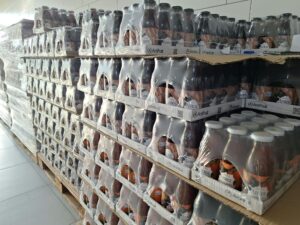
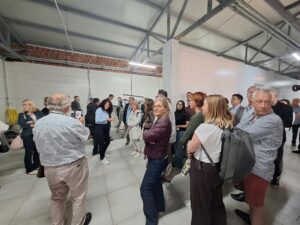
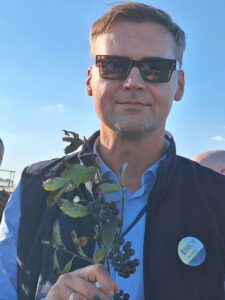
In the afternoon, participants visited ARTI FRUIT L.L.C. in Prizren, a family-run fruit-processing business. The hosts showed how aronia berries are turned into juice and took the group through the production facilities. They then led everyone out to the aronia fields, where participants could taste the fruit. The visit showed how agricultural knowledge and entrepreneurship can come together in a successful rural business.
Day 3: Resilience, governance and innovation
The last day was shorter but still full. The first parallel session focused on economic and social resilience: the effects of inflation and changing consumer behaviour, sustainable management practices and the performance of rural enterprises. Speakers also discussed several other topics:
- human resource development and talent retention
- the role of rural areas in the food system transition in EU candidate regions
- young people’s relationship with nature and pro-conservation behaviour
- research gaps in organic farming in Kosovo
The second session turned to governance and policy implementation. Papers covered inclusive national strategic planning, participatory governance and monitoring, digital inclusion in public education, and Moldova’s economic resilience. Others dealt with agricultural water demand, innovation ecosystems and regional development, and how rural households adapt their livelihoods in response to policy interventions.
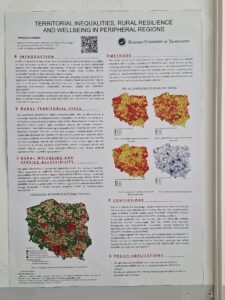
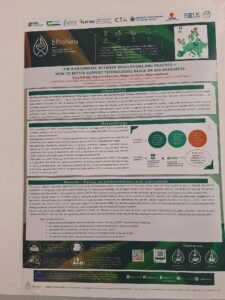
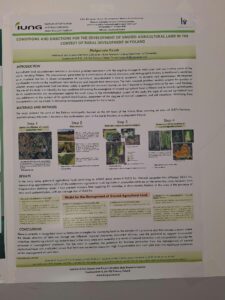
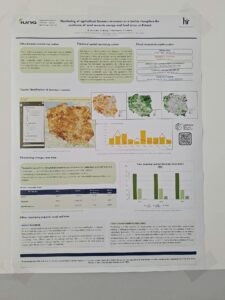
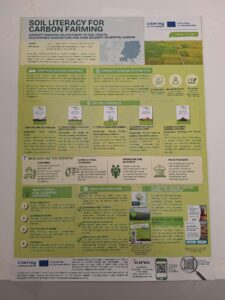
The conference closed with the second poster session. It covered New European Bauhaus principles and land-use debates, the development of unused agricultural land, biomass monitoring and Living Labs. Other posters looked at the gap between bioeconomy regulation and practice, and at new ways of understanding soil and its ecosystems.
ERDN posters
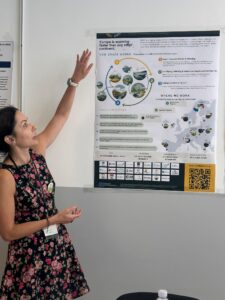
The ERDN team presented five posters during the poster sessions, sharing results from the projects we are involved in:
- “Growing Climate Resilience in Remote Rural Areas through Community Empowerment” – Aleksandra Pyl, Barbara Wieliczko (ERDN)
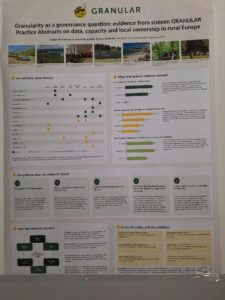
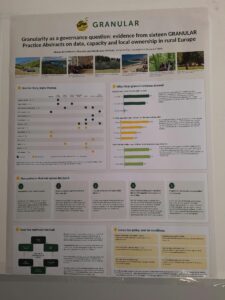
- “Granularity as a governance question: evidence from sixteen GRANULAR Practice Abstracts on data, capacity and local ownership in rural Europe” – Aleksandra Pawłowska, Paweł Chmieliński, Barbara Wieliczko (ERDN)
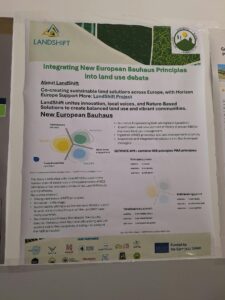
- “Integrating New European Bauhaus Principles into land use debate” – Barbara Wieliczko, Paweł Chmieliński, Marcin Żekało (ERDN)
- “Living Labs in the Context of Rural Innovation: A Case Study from the NEMESIS Project” – Katarzyna Gizińska (ERDN)
- “Soil Orchestras as a Grassroots Model for Soil Literacy: Lessons from Poland and a Call to Establish New Ensembles Across Rural Europe” – Aleksandra Rasz (ERDN), SOILSCAPE project
See you next year
For three days in Mitrovica, agricultural economists, soil and environmental researchers, policy experts and practitioners looked at rural development from very different angles. That mix is what makes the ERDN conference worth coming back to.
We would like to thank all speakers, authors, participants, partners and organisers, and especially our hosts at IBCM. See you at the next ERDN Conference!